The Easel

21st June 2016

From selfies to virtual reality, how technology is changing the art world

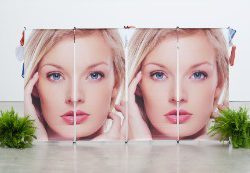
No less an authority than the head of Art Basel thinks digital art is the next big thing. Using both off the shelf and bespoke programming, digital art is proving just as potent as painting or sculpture as a means of exploring “the dreams and nightmares of the digital age”. As an example of the genre, Ed Atkins, an artist who uses object recognition technology, is reviewed here.
Emperors’ Treasures Chinese Art From The National Palace Museum, Taipei

No country does cultural history quite like the Chinese. A travelling exhibition contains exquisite treasures from nine rulers, four dynasties and covers 1000 years. Unlike some imperial art these objects were not for public display but meant for the pleasure of the ruler alone. A collection was originally formed in the Forbidden City and parts were moved to Taiwan during the civil war. Key pieces are highlighted here.

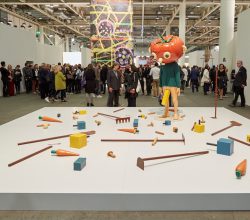
What’s Sold at Art Basel in Basel

The spring art auctions in New York this year were mildly disappointing. Last week’s Art Basel fair was thus an important test of the market’s direction. Some 4000 artists were on display with works valued at $3.4bn. Overall it was a moderate success. “[W]e were on fire” boasted one dealer; others were perhaps more subdued. Will the market regain its previous exuberance? “The consensus remains that it will not”.

Throwaway Digital Culture Is Art in Cory Arcangel’s ‘currentmood’

Arcangel is fascinated by “lo-res images that have become a signature … of [the] repurposing nature of internet culture”. Such images feature significantly in his latest show. Do they belong in an art gallery? That, he says, is his point:  “I’ve put it there to say … [i]t’s how I see the world and how I would assume most people would see the world now.” A “decentering experience” notes the reviewer.

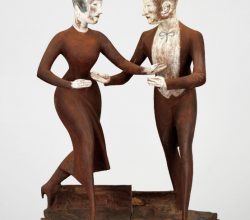
Cosmopolitan Folk

Folk art is made to express the social narratives and memories of a community. Often labelled as naïve or primitive, its artistic merit only began to be recognised in the twentieth century. An early American collector was sculptor, Elie Nadelman. His work and collection shows that folk art and high art in fact influence each other. Sadly, both his collecting and artistic practice stopped abruptly with the 1929 crash.

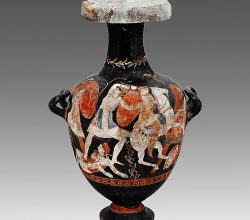
Art of the Hellenistic age at the Metropolitan Museum of Art, New York

Alexander the Great loved Greek art. His tastes endured and the arts flourished for 300 years after his death until the rise of imperial Rome. Pergamon was a fabled city in the Hellenistic empire but there were others, all supported by the wealth from Alexander’s conquests. The reviewer notes “Lifestyle is propaganda”. Evidently so – Pergamon still impresses after several millennia.

Image: Metropolitan Museum

14th June 2016

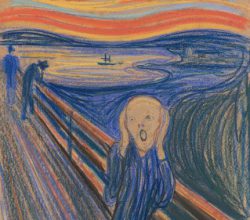
“Munch and Expressionism” at The Neue Galerie, New York

It might be said that Edvard Munch had one brief shining moment. When he painted The Scream in 1983, he amplified van Gogh’s ideas about expressive distortion to create modern art’s defining image of inner conflict. After that – the bulk of his career – came little else. “An inherent parochialism both powered his vision and prevented a full reckoning with Modernism.  The post-1900 canvases are … a mish-mosh”.

Surfing on Acid

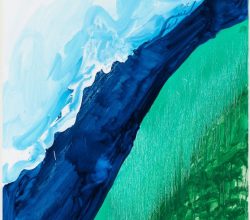
Mary Heilmann moved to New York because of the entrenched “guy culture” on the West Coast. She was not the big hit she thought she might be but decades of quiet achievement followed. She draws inspiration from Mondrian and Matisse, along with popular culture and days spent on the beach in California. Now, with a London retrospective, she may become the big hit she had once hoped to be.  More images are here.

Diane Arbus: The First Chapter Jeff Rosenheim with Michèle Gerber Klein

Diane Arbus has long divided opinions. Late career images of “freaks” are viewed by some as predatory but by others as empathetic. From the start, doing street photography, she took a different approach: “Although the image isn’t staged, she demands that the subject address her in a way that interested none of the other photographers of her generation … a completely new way of doing documentary style photography”.

Prado nudes on view in fascinating exhibit at the Clark

The Hapsburg kings were, for a time, Europe’s wealthiest and they had a particular art interest – nudes. Renaissance thinking opened up aesthetic and erotic perspectives on the nude quite at odds with religious interpretations. This made the art potentially dangerous: “self-contradiction — a kind of warning against the very act of looking at naked flesh — was often built into the paintings themselves”.

How Francis Bacon boldly thieved his signature image from Munch – and gave it teeth

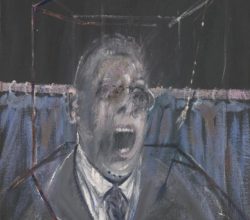
This review is unflinching in its candour. Acknowledging the “immense conviction” of the paintings, it focuses on particularities, including Bacon’s masochistic sexuality. Curtains: “[b]ehind the curtains, obedience and submission and the strong possibility of pain “. And the signature scream: “[t]he scream is stolen from Munch’s iconic painting. What a heist. So huge a theft that no one mentions it”.

Image: Tate

The Harvard Library That Protects The World’s Rarest Colors

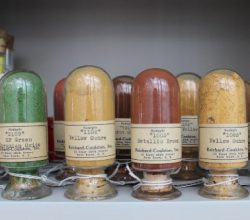
Some colour pigments used to be worth a fortune – lapis lazuli from Afghanistan or cochineal from the Spanish colonies. Harvard’s Forbes Pigment Collection harks back to this era, before the Industrial Revolution and organic chemistry made everything cheap. What colours can now boast a pedigree like, say, mummy brown, which came from resins taken off the wrappings of embalmed Egyptian bodies?

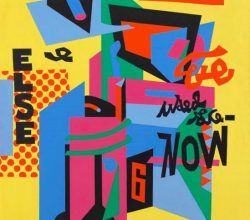
This Is America

Early 20th century America fretted that its art followed European trends. Davis wanted to change that. In early career he tried collage like paintings – “proto-Pop art”; later career works were increasingly abstract. Elaine de Kooning wrote of him “His subject has always been America—not America as seen in American art but as seen on a walk down Broadway or a drive past a harbor in a fishing village.”