
The Easel

10th November 2026

A Lasting Moment: Marc Riboud in England

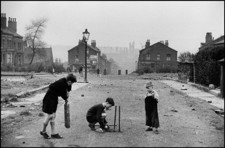
Riboud trained as an engineer but got his chance to work in photography when sent on assignment to Leeds. Leeds in 1954 was “the most depressing city in England”. His images, forgotten for 50 years, are among the first to document postwar social change. Riboud shows a hard-pressed working-class, worn down by rationing and battered infrastructure, yet drawing on its tight community bonds as it faced a diminished and uncertain future.
Light and Magic at Tate Modern – why turn a photograph into a painting?

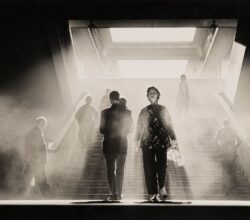
Once photography emerged in the 1820’s, a debate started about whether it was art. Pictorialism was one response to that debate. Spread through camera clubs across the world, it advocated for photos that looked like … paintings. That meant “the darkroom, not the lens” was where the magic happened. For example, images of ballet dancers were made to look like Degas’ damsels. But why bother? By the time some of these images were made photography was already “its own kind of art”.

3rd November 2026

Late-Arriving Pictures

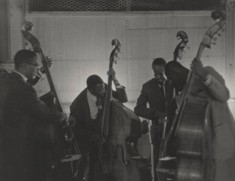
Images of jazz musicians by Lisette Model showcase her “plainspoken” style. DeCarava’s jazz images were different. His work does not provide a standard narrative about Black experience. Famous musicians are shown alongside “garment workers and labourers”. When manipulated in the darkroom to achieve “an astonishing range of tonal gradations and transitions”, the images become “elusive”. This is DeCarava exploring whether “sound can acquire a visible form”.