
The Easel

16th June 2026

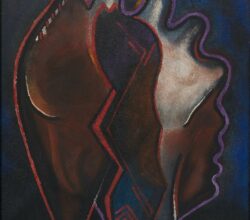
In London, Hauser & Wirth offers a rare glimpse into Francis Picabia’s experimental world

Picabia ceaselessly reinvented himself, from early landscapes, through his “machine”/ Dada paintings to “radical” nudes and his final abstract paintings. Being wealthy allowed him to pursue such varied interests, where ideas from one period led on to other areas. Such diversity explains why he was never pigeonholed but is considered, ambiguously, as a “painter’s painter”. Perhaps he was closest in spirit to Dada – criticise the status quo but abandon new ideas as they become generally accepted.
A Curator’s View

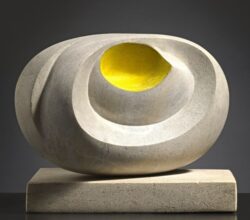
Hepworth felt that her use of colour was “accepted but not understood”. It first appeared in her pre-war painted wood and plaster sculptures. After meeting Mondrian, she brought it into drawings as well as some bronze sculptures. Using colour so extensively underlines her view that colour and form together “achieve a new power & experience”. Not all critics feel this was as novel as she claimed, but does it matter? Hepworth remains “British art’s nature goddess”.

9th June 2026

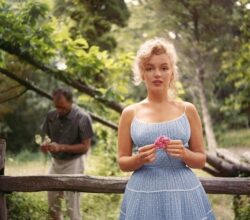
Marilyn Monroe at the National Portrait Gallery – the woman who became a masterpiece

This “riveting” show of Monroe portraits begs the question – is there any more to learn from yet another show?  The answer, it seems, is that we want to know the “real Marilyn”, not just the skilled actress and dazzling photographic creature. One writer says that she “anticipated the postmodern world and the age of Instagram, in which the self could be redefined [into multiple] identities”. The huge effort to create those identities required “dignified resilience … whoever she was, Marilyn lives.”