The Easel

24th March 2026

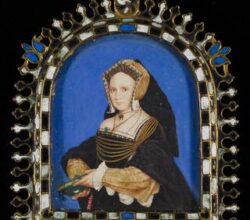
Tudor Courtiers Exchanged Portrait Miniatures as Love Tokens. Centuries Later, New Research Is Unlocking the Secrets of These Intimate Artworks

Tudor England retains an allure, in part because of the iconic images we have of its colourful characters. Among the most valued such images in their day were miniature portraits, displayed in jewellery or contained in lockets and worn next to the skin. Nicholas Hilliard was among the most acclaimed miniaturists, typically using watercolour on vellum. This art form lasted for centuries until the advent of photography. The linked piece discusses recent discoveries and a survey of the art form is here.

17th March 2026

Catherine Opie Documenting Marginalised Voices NPG

Admits Opie, “I had such a hard time fitting into the world as a girl”. That interest in identity has carried through into her art career that features photographic portraits of herself and friends, including some in the “leather and dyke scene”.  She is not trying to sensationalize or promote a “radical lifestyle”. Instead, she wants to represent, in a “painterly” way, a group who, she argues, are rarely seen in historical portraiture. “Doesn’t everyone have the right to actually be acknowledged in this world?

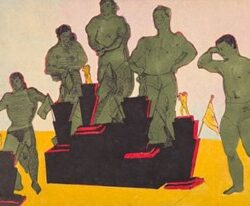
Beatriz González at the Barbican: brilliantly coded art that evaded the secret police

Although she didn’t see herself as a “political” artist, González did want viewers of her work to “feel assaulted”. Her paintings have a declarative style – graphic forms in vivid colours that reimagine media images. Despite their pop aesthetic, they are not optimistic works as they often address Colombia’s drug violence, state brutality and the disappearing of people. By the late 1990’s González’ work started using glowing blues, deep purples, the colours of sorrow. “I am all the [bereaved] mothers together”.

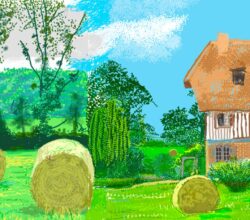
David Hockney review: The iPad paintings underwhelm but it’s hard not to be cheered by this show

Hockney has described the approaching exhibition of the Bayeux Tapestry in London as “madness”. At the same time, he has produced a homage to that famous work, a 90m digital work that celebrates the seasons around his Normandy house. One critic calls this work of rolling fields, trees and paths “the masterwork of Hockney’s old age”. Others lament that such iPad images, with their “jolly colours” don’t have “painterly” qualities. “He’s forfeited the materialism of actual paint, that most valuable, tangible element of the process”.

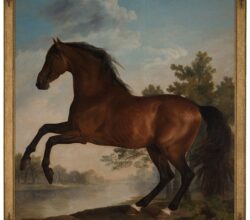
Stubbs: Portrait of a Horse review – this magnificent nag deserves a longer canter

Why is this George Stubbs show so small, given that he was “as good as Constable?” It consists of just two of his greatest equine portraits, works that may be unsurpassed in the genre of animal portraits. His renown rests not just on anatomical fidelity but also his desire to show an animal’s “soul”. Stubbs was a product of humane Enlightenment thinking. His outlook, speculates the writer, was shaped by growing up amidst “the sight of human oppression in Liverpool, a slaving port.”