The Easel

10th November 2026

Yoshitomo Nara’s Big-Headed Girls Are Taking Over New York

The volume of Nara merch is so big, one reviewer comments, that it can obscure his artistic achievements. He does not try to satirise Japanese consumer culture but offers cuteness as “an expression of authentic feeling”. Over the years, those feelings ranged widely – anger, loneliness, “punk insouciance”. Now, his girls are a little mellower and show a social conscience. New sculptures also seem softer, painted metal with contours like soft ice-cream. “Nara is an artist of a generation”.
At MoMA, Brancusi Is Lost in Space

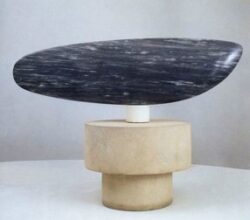
With Centre Pompidou being renovated many of its Brancusi works are showing in New York. They are “glorious” when seen firsthand. Up close, says one critic, he comes across as “less a purist … than a craftsman enamored of the sweaty satisfactions of cutting stone and wood.” And bases mattered to him. Compared to his polished modernist sculptures they sometimes seem “gloriously mismatched”. Ever the visionary, Brancusi was demonstrating the potential in disjunction and dissimilar textures.

3rd November 2026

Late-Arriving Pictures

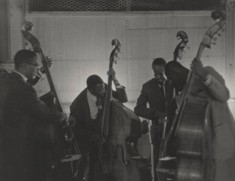
Images of jazz musicians by Lisette Model showcase her “plainspoken” style. DeCarava’s jazz images were different. His work does not provide a standard narrative about Black experience. Famous musicians are shown alongside “garment workers and labourers”. When manipulated in the darkroom to achieve “an astonishing range of tonal gradations and transitions”, the images become “elusive”. This is DeCarava exploring whether “sound can acquire a visible form”.

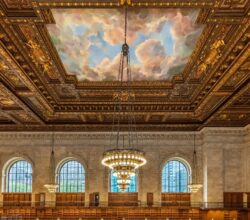
The unknown painter behind Manhattan’s Gilded Age interiors

Decorative art is generally seen as not-quite fine art, and Finn was one of its great exponents. His art training in 1890’s Paris attracted the attention of American architects who were designing mansions for Gilded Age titans. They wanted to unify exterior design with interior aesthetics and Finn’s interior paintings “perfectly enhanced” the architecture. His acclaimed works include public libraries and theatres. Posthumous obscurity may not have bothered Finn as he sought acclaim only from his “peers and patrons”.