The Easel

17th November 2026

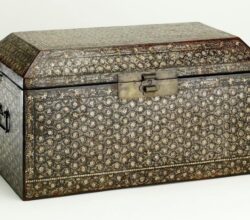
Introduction to ‘Korea’

A show that boasts “2000 years of Korean creativity” – that’s impressive. Korea has enjoyed long periods of stability, starting with the Buddhist era when its art had an ethereal, contemplative quality. The Goryeo period yielded exquisite Celadon earthenware, a focus that continued under the Joseon dynasty. Korea’s 20th century brought great violence, but why has that century’s art not been included?  Is it “churlish”, a writer wonders, to complain that this “is a gem of a show [but] is itself a cultural product.”
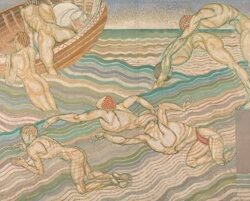
Inside ‘Vanessa Bell & Duncan Grant: Inside Bloomsbury’: Why Tate Britain’s 300-Work Retrospective Ignited a Critical Civil War

This review makes the best of a bad situation. The Bloomsbury Group, a circle of London sophisticates renowned for their unconventional sex lives, included the artists Vanessa Bell and Duncan Grant. A show of their work has one critic calling it “desperately mediocre modernism”. A defence, that they “did not paint to impress posterity”, convinces no-one. Says another critic, this show is “dispiriting, dreary, airless, without excitement. It tells us nothing about painting except how not to do it.”

10th November 2026

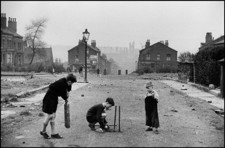
A Lasting Moment: Marc Riboud in England

Riboud trained as an engineer but got his chance to work in photography when sent on assignment to Leeds. Leeds in 1954 was “the most depressing city in England”. His images, forgotten for 50 years, are among the first to document postwar social change. Riboud shows a hard-pressed working-class, worn down by rationing and battered infrastructure, yet drawing on its tight community bonds as it faced a diminished and uncertain future.

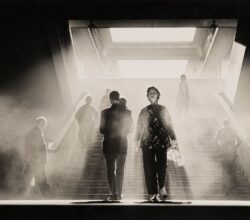
Light and Magic at Tate Modern – why turn a photograph into a painting?

Once photography emerged in the 1820’s, a debate started about whether it was art. Pictorialism was one response to that debate. Spread through camera clubs across the world, it advocated for photos that looked like … paintings. That meant “the darkroom, not the lens” was where the magic happened. For example, images of ballet dancers were made to look like Degas’ damsels. But why bother? By the time some of these images were made photography was already “its own kind of art”.