The Easel

12th December 2023

Jesse Darling Scoops Challenging Turner Prize 2023

The problem with writing about the Turner Prize is that critics feel obliged to be polite about the winner. It is, after all, a prize that is usually career defining. The 2023 winner, Jesse Darling, makes sculptural installations. His work for the prize was described (before the event) as “wonderfully chaotic … everywhere you look, emblems of control are bastardised and made pathetic, rendered more fragile.” Says this reviewer (after the event), Darling is “a formidable artist”.

Strike a Pose

A show of African contemporary photography recently went through London without much comment. This review is a catch up and discusses what makes African photography distinctive. Western photography frequently captures strangers or unusual situations, whereas photography in African hands gravitates to community. “[My predecessors] developed the revolutionary act of focusing on group portraits. I almost always work with friends and family – [it] becomes a personal and intimate exchange.”

Holbein Politics Religion And Draughtsmanship

Illiteracy was common in Tudor England. That made painting important because potent images of a leader were an effective communication. HenryVIII hired Holbein, a great renaissance portraitist, to do just that. He did, and with such unparalleled realism that he became the “image maker of the Tudor court”. Tudor England was, of course, full of political intrigue, so being the King’s Painter required subtlety, an ever-so-careful balancing act between the truth that Holbein saw and the truth that Henry VIII preferred.

5th December 2023

On Frans Hals

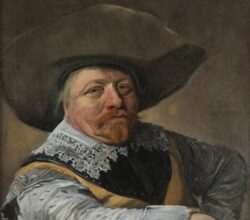
Unlike a recent piece on Hals (September 19) this one has a more intimate focus on the artist and his work. Hals had a happy, “devil-may-care” attitude and was given to painting “louder and more flamboyant” works that his Delft contemporaries. He had a “quickfire” style of working but “his comprehension of heads and hands … was consummate”. And those rumours about boozing? “It feels unmistakable to me: beer and chasers, this exhibition fairly reeks of them”.

Impressionists on Paper: Degas to Toulouse-Lautrec @ the Royal Academy

Impressionist drawings – just another Impressionist crowd pleaser? Surprisingly, this London show offers more.  Art materials technology developed greatly in the 1860’s – better paper, more colours in tubes and crayons. These innovations brought artists outdoors and elevated drawing’s status as a medium. Inevitably, the critics also roll out familiar Impressionist critiques. One notes that Renoir on paper is still “bland” and Degas is still “an old perv”. Yet, even on paper, the magic of that group is still there.