
The Easel

27th August 2024

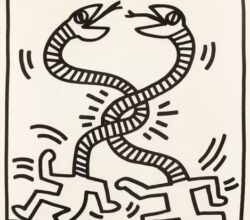
ESSAY: The ancient art of Keith Haring

Haring’s spectacular rise from rural Pennsylvania to art stardom in New York is well known. What is less understood, says Contributing Editor Morgan Meis, is what exactly he achieved. Some art critics at the time thought his work “simplistic” or populist. One called him a master of “witty illustration”. Haring himself seems not to have cared much either way.

Haring thought his street drawings enjoyed some kind of protection because the images were “a form of primitive code.  We’re talking about art as it is connected to ancient things like cult worship, ritual, magic. If Keith Haring’s art is good, it is good because it somehow mobilized the popular imagery of its time in order to create images that feel ancient … the sacred imagery of New York City.”

When Art Talks Back: Jonathan Lethem on Graffiti As Visual and Written Expression

Purely by chance, a companion piece to the Essay above – an appreciation of graffiti as a city’s dialogue with itself. “This devotional, graphomaniac, filibustering dimension of graffiti haunts me. It suggests tagging as a version of call-and-response, within a city whose cacophony of advertising, decay, and squabbling vernacular voices begs reply. Maybe it’s all a form of prayer—prayer to exist.”

How Pacita Abad Wove a Multicultural Tapestry of Humanity

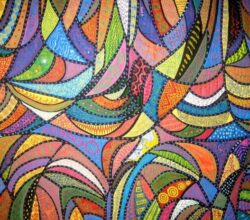
One review notes Abad’s limited representation in major museums, presumably reflecting the usual bias against women artists. A big New York retrospective hints at change. Hers was a peripatetic career and her signature quilted paintings, once dismissed as decorative, are now seen as cosmopolitan. Variously depicting aquatic worlds, social-realist scenes of refugees and tribal masks, she created a “freewheeling artistic environment”. Asked about her artistic contribution in America, Abad said “colour”.