The Easel

14th July 2026

Ana Mendieta review – were she still alive she’d be at the forefront of art in this century

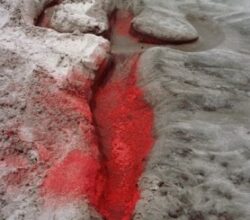
Mendieta placed her art “in the tradition of a Neolithic art”. If she meant that art was part of the process of life, that would make sense. Her earth-body works, executed outdoors, were ephemeral and did indeed return to the natural world. Beyond her obvious focus on womanhood and environmental concerns, however, her work is hard to decipher. What Mendieta undoubtedly did have was an instinct for emotional, unforgettable images. “This artist is irresistible”.

Clearly Fake: Zurbarán’s Uncanny Realism

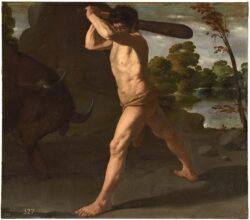
A recent review of Zurbarán’s London show was straight up and down. Not this one. “By the late 1620s, Zurbarán had become the leading religious painter of Seville. [Yet he] makes paintings that are at once exquisitely lifelike and completely implausible. [It is hard to name a first-rate Zurbarán without this faint wrongness. People are less rational than they’d like to pretend, which is why all truly haunting images … share a slight, nagging offness.”

7th July 2026

Frida Kahlo: Tate Mistakes the Icon for the Artist

A writer comments that Kahlo has been “flattened” by mythologizing. Her self-portraits were psychologically revealing and varied, leading to multiple interpretations – her connections with surrealism and with Mexican culture, her challenge to gender expectations. But, with relatively few of her paintings in a London show, which interpretation best captures Kahlo? Forget her iconic images, her true legacy are the works that communicate the “bold examination of the self,” A backgrounder is here.

Waldmüller: Landscapes – a cool Alpine antidote to London heatwaves

Why is Waldmüller, prominent in 19th century Austria, being given a London show? Noted in his day for landscapes and portraits (he painted Beethoven) he fell out with the art establishment over his rejection of “academic” landscape painting. Did his realist landscape painting “awaken” possibilities later seized on by the Impressionists? Unlikely – they knew nothing of him. His radical landscapes were an important idea but, not being in the right place at the right time, came to nothing.