The Easel

7th April 2026

Get the kettle’s on

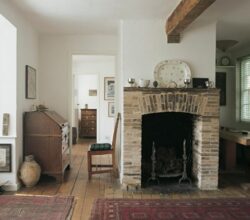
In an era when public museums are becoming huge, Kettle’s Yard is the “anti-museum”. Created by a former curator and comprising four amalgamated cottages, the founding vision was to create a space with “a lived-in beauty”. Small in scale, it makes use of natural light and does not use wall labels. Its art, mostly modernist, is shown in a domestic setting, “alongside fastidiously placed ceramics, wildflowers, feathers and pebbles.” One smitten writer calls it “one of the great oases of culture”.

1st April 2026

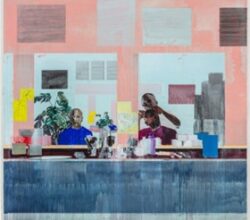
Painter Hurvin Anderson’s blend of memory and history is mesmerising at Tate Britain

Anderson was born and raised in the English Midlands. Yet his “absolutely beautiful” paintings speak loudly of the experience of his family who emigrated from the Caribbean. He has painted barbershops repeatedly, places where Black men and women can “speak freely”. And then, ever-present in small details, are memories of the Caribbean. How do all these elements fit together? Says Anderson, its “being in one place but thinking about another,”

Start Here: 5 things to know about Michaelina Wautier

The clamour around Wautier is building and building. She came from a well-off family, likely had a good  training in art, never married but shared a house with her artist brother near Brussels and died around 1689. She mastered an unusually wide range of genres, displaying both ambition and immense skill. Having been re-discovered only in the last decade, one writer anticipates more revelations. Seeing her work hung beside Rubens in a London show, another writer concludes, “Wautier is a giant”. A backgrounder is here.

The great imagination of John Vanbrugh

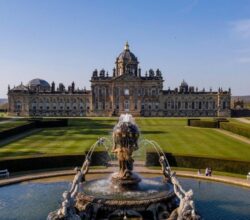
Castle Howard and Blenheim Palace, two of Europe’s grandest country houses, were both designed by Vanbrugh. Castle Howard, built around 1702, introduced a flamboyance and cheerful disregard for classical proportions that set the style for English baroque architecture. These buildings employ a “careful choreography of visual effects”, giving them a “messy vitality” admired by modern architects. Above all, they demonstrate that ‘buildings can be theatre’.