
The Easel

20th February 2024

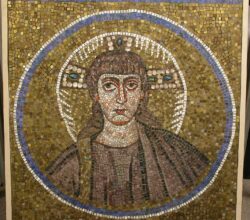
‘Africa & Byzantium’ at the MET: A Stunning Look at One of History’s Overlooked Stories

The last configuration of the Roman empire – the Byzantine empire –  ruled the eastern Mediterranean and North Africa. Scholars debate much of its complicated history but all agree it should be less Euro-centric. In particular, art produced in northern Africa was distinguished and influential. One critic, whose review is somewhat more sceptical than the linked piece, calls the show “a fantastic achievement”. The writer agrees – this show “is incredibly important to art history”.
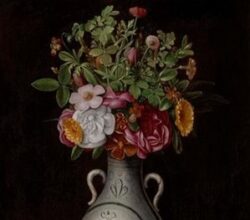
Who painted the first still life?

Still life paintings go back millennia – the ancient Romans painted fruit, and Tang dynasty artists painted bird-and-flower scrolls. Europe joined in in the early part of the Northern Renaissance. Flowers started appearing in paintings on canvas, as opposed to being wall or door decorations. Further, they started being the main subject matter, instead of merely lesser details in architectural settings. These still life works finally assumed a recognisably modern form around 1560.

13th February 2024

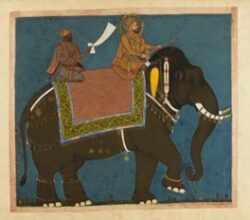
Elephants, Gods, and Kings of India Claim a Corner of the Metropolitan Museum of Art

Hodgkin, the acclaimed abstract British artist, assembled a world class collection of Indian court paintings. Specialists delight in their portrayal of the subtleties of Indian life in the Mughal court, painted around the same time Vermeer was active. They are products of “one of the world’s great pictorial traditions”. And for non-specialist viewers? Well, there are the elephants. They are spectacular, “painted with the nuances that Europeans applied to ladies and landscapes”. Images are here.

Between Risk and Control: How Mark Rothko Discovered His Signature Style

A Washington show has renewed interest in Rothko’s watercolours that preceded his colour field works in oils. Although having an “obvious facility” with this medium, these early works hint at his future abstractions – faces are reduced to blank masks while background details are “more confident”. In one show where he included both watercolours and oils, the former received greater praise. Rothko, though, had his sights set on oils and, for the next decade, exhibited nothing else.