The Easel

16th June 2015

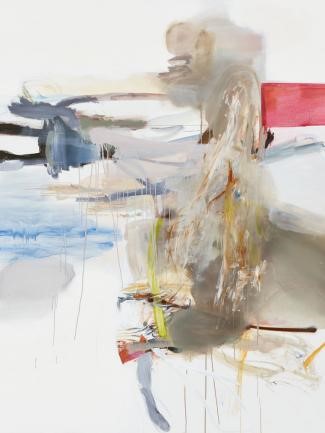
ARTLESS Why do intelligent people no longer care about art?

If you are tertiary educated and under 50, you are not interested in art. Art is never discussed at dinner parties. Therefore, art is “insular and marginal”, like fashion. At best, this is a big argument sitting on a small fact base. Yes, art is enduring a bad hair decade (or more). But what else has its potential to express ideas about a sense of place, beauty or the human experience? Not Game of Thrones. Image – Wikipedia
Review: Albert Oehlen: A Master of Disciplined Excess

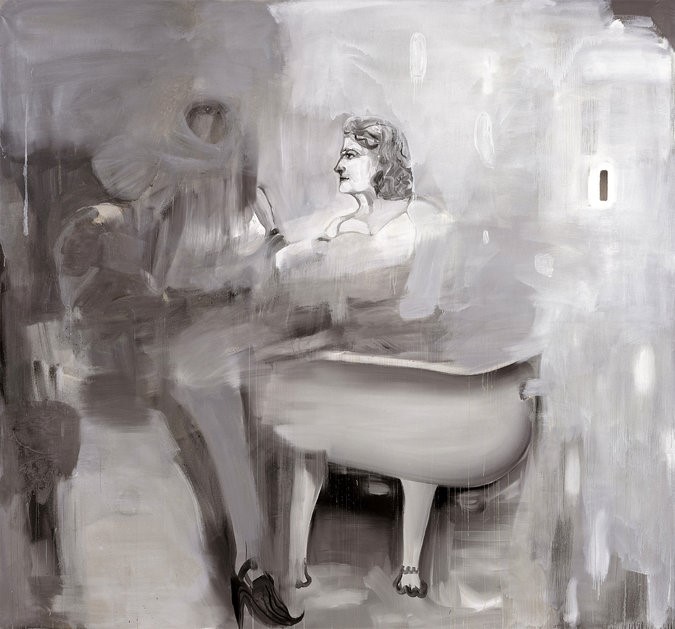
Last week’s Easel had a bio piece on this German artist and now comes the first major review of his retrospective at New York’s New Museum. It takes something special to enthuse Roberta Smith, so perhaps this show will prove significant for the artist. “…the real ghosts in these ethereal works are Polke, de Kooning, Pollock, Cy Twombly… But if the parts can look familiar, the whole feels like something hard-won and new”.

What Else Can Art Do?

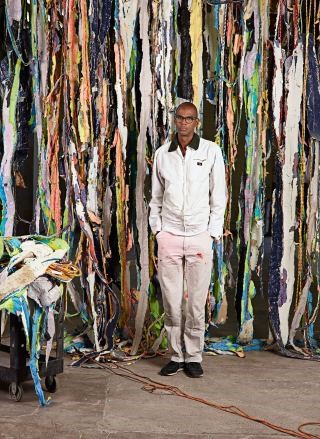
Aspiring artists finds their voices in different ways. Improbably, Mark Bradford found his voice while working in his mother’s hair dressing salon in Los Angeles. He didn’t get around to studying art until his 30’s and wasn’t hung in an exhibition until 40. The Tate now holds one of his paintings and another has sold for millions. He no longer works at the hair salon.

The Vienna Seccession in Paris

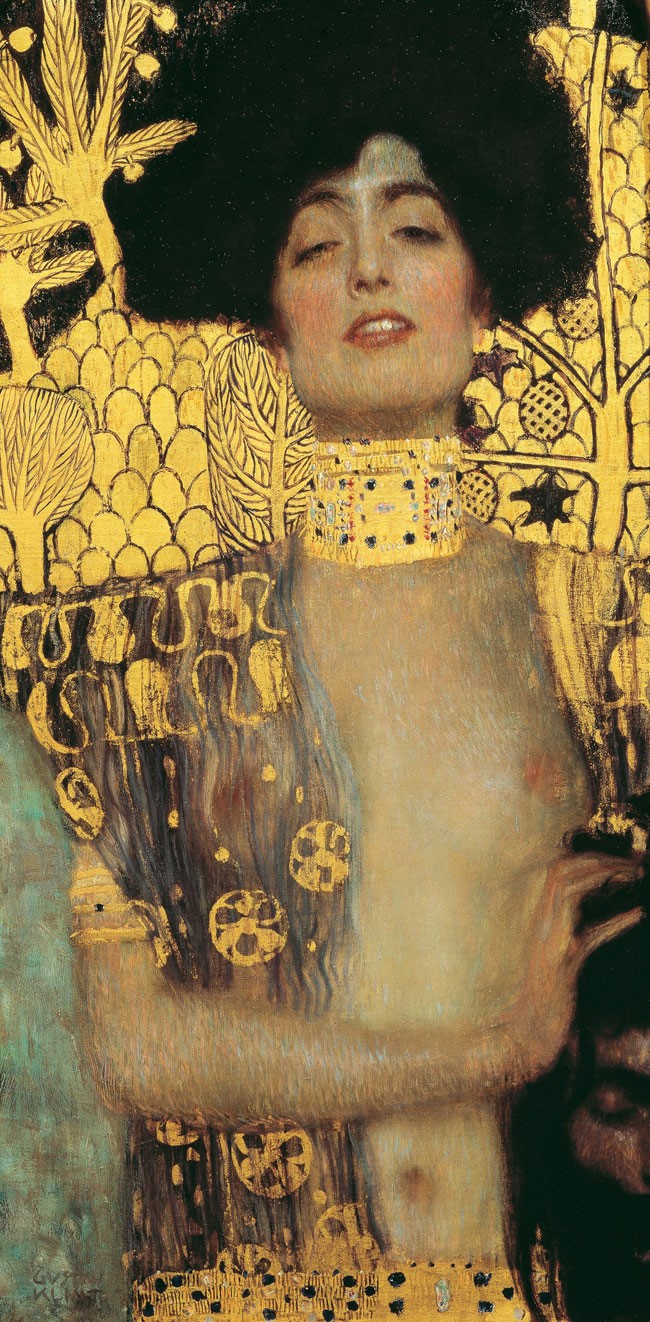
The decorative arts movement (art nouveau) was an expression of European pride. In Austria, where this movement got the name ‘Vienna Secession’, it was also influenced by Sigmund Freud. Out of Freud’s theories about sex and the subconscious came the idea of the ‘femme fatale’ – the lethal seductress. In Klimpt’s Judith, featured in this Paris show, that whole sexy, luxurious, and decorative aesthetic found one of its defining expressions.

Barbara Hepworth: A look back at the late great sculptor’s seminal Italian adventures ahead of her Tate retrospective

Despite her early attraction to naturalistic forms Barbara Hepworth’s work became increasingly abstract with time. Critical recognition came slowly, perhaps because of the higher profile of her Yorkshire contemporary Henry Moore, but also because of gender bias. From Hepworth’s perspective her gender was a plus –”in sculpture … there is a whole range of formal perception belonging to feminine experience.”

Zhang Enli “Four Seasons”: new works at Hauser & Wirth Somerset

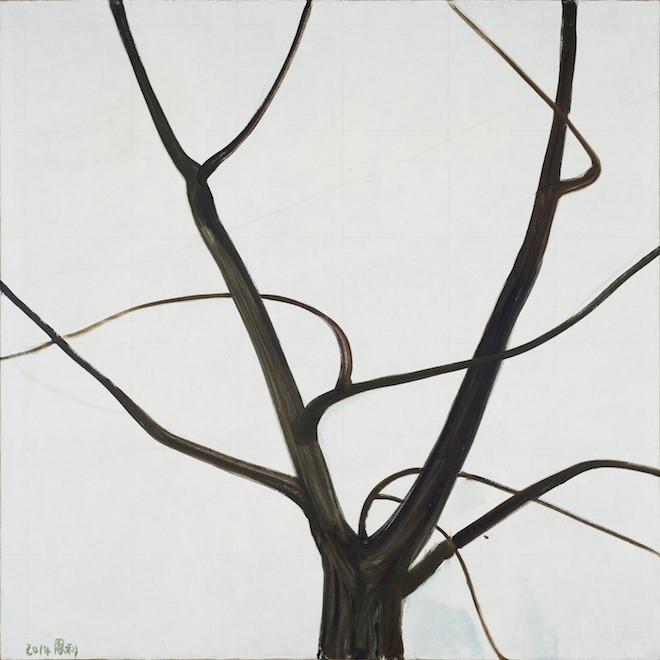
The work of Zhang Enli diverges from the focus on consumerism that pervades much contemporary Chinese art. His paintings focus elsewhere – human figures and nature. The Chinese art scene is very active but there are few strong reviews in English. Unfortunately this is not one of the few but it does have numerous interesting images.

Shady Canadians – Why art and journalism don’t mix

Complicated markets like the art market are called ‘imperfect’ – a bland descriptor that belies the at-times intricate business of selling paintings. As middlemen get involved so, sometimes, do scoundrels. When the cast of characters includes celebrity journalists and the super-rich, the fallout is spectacular. The ethical issues sound all-too-familiar. Image – Wikipedia

Seeing Charles Pollock anew in Venice

In a celebration of the Pollock brothers at The Peggy Guggenheim Collection Venice, Charles’ plight is obvious: “[The show] is poignant — to the point of heartbreak — because it reveals that he really was very good. The problem was that his brother was in another category.” That is not about to change – next to this overdue hanging of Charles’ work the gallery has placed some of Jackson’s famous works after their extended restoration.

Still Alive

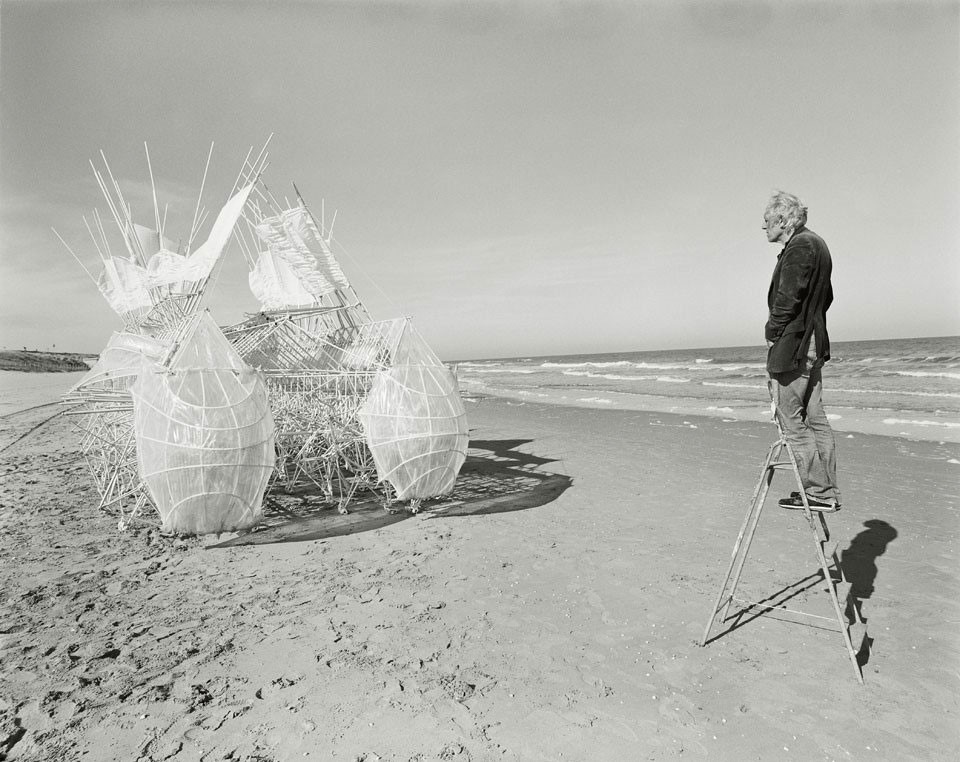
It’s not immediately clear how best to describe Theo Jansen’s “Strandbeest” sculptures.  Disorienting perhaps; certainly arresting. Made of PVC piping, they march back and forth along the beach according to the breezes. Its only when they start to move that they become understandable – hence the short video clips are a must. The reviewer’s focus on their feet is not as odd as it sounds.

Grand dame of American abstraction comes to Tate Modern

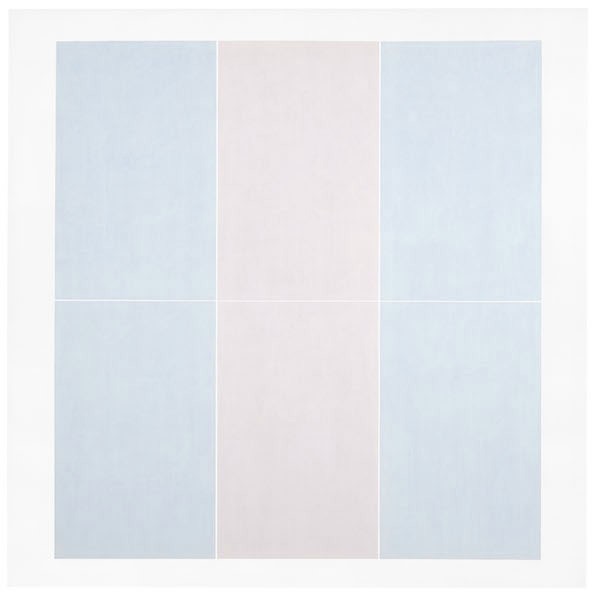
Amazingly, Agnes Martin is getting her first retrospective from a major museum in over 20 years. She was one of America’s foremost abstract artists, self-identifying as an Abstract Expressionist. After an early career in New York she decamped to the quiet of New Mexico – as did Georgia O’Keefe and others before her. Her paintings are characteristically tranquil and meditative. An interview with her long time gallerist is here.

Rousseau

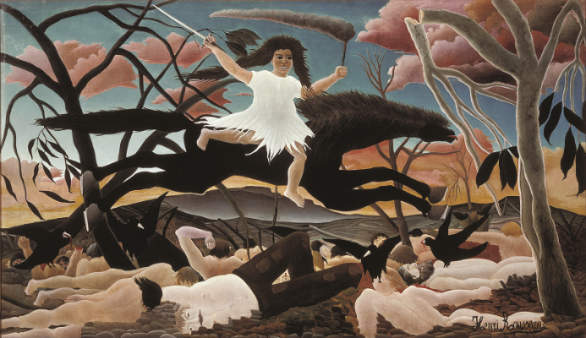
The art critic Will Gompertz characterises Rousseau as “the Susan Boyle of his day” – honest and unsophisticated. His primitive style appealed to Picasso and later the Surrealists and secured for Rousseau his place in art history. An exhibition in Venice hangs Rousseau beside some more vaunted contemporaries, perhaps inviting the view that he was the ‘middle aged nobody’ who was in the right place at the right time.

Another Look at Robert Motherwell

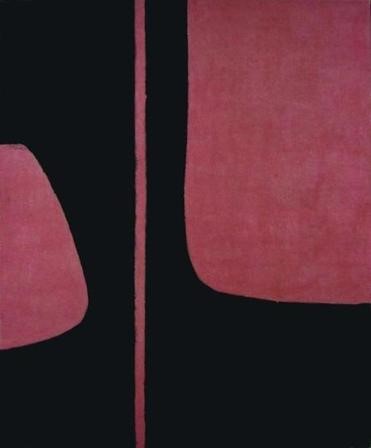
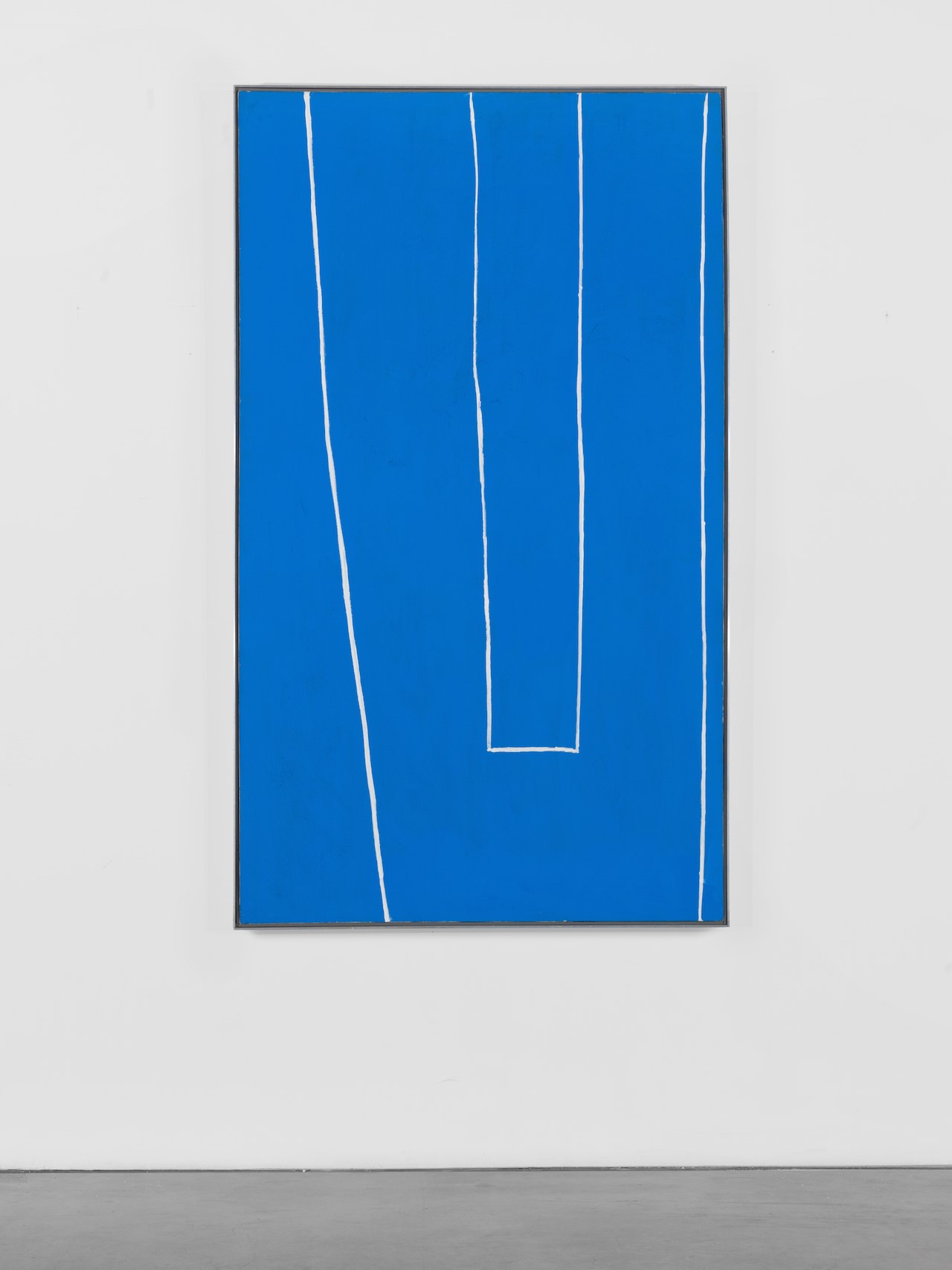
Compared to the other abstract expressionist pioneers, Motherwell was the brainy one. He is best known for the black and white “Elergy” paintings and, 20 years later, the more geometric “Open” series. Critical opinion has favoured the Elergy series as the greater achievement, but reviewing a current show in New York, one critic argues that the Open paintings represent Motherwell in top form.

The Accidental Abstractionist

After starting his career being one of the bad boys of the Cologne art scene, Albert Oehlin has evolved into an influential and very deliberate painter. Ahead of an anticipated show in New York later this month, this piece outlines his evolution as a painter. “Admirers should focus… on his refusal, for more than three decades, to ever be satisfied with his own art and on his…pursuit of a deep dialogue with art history”

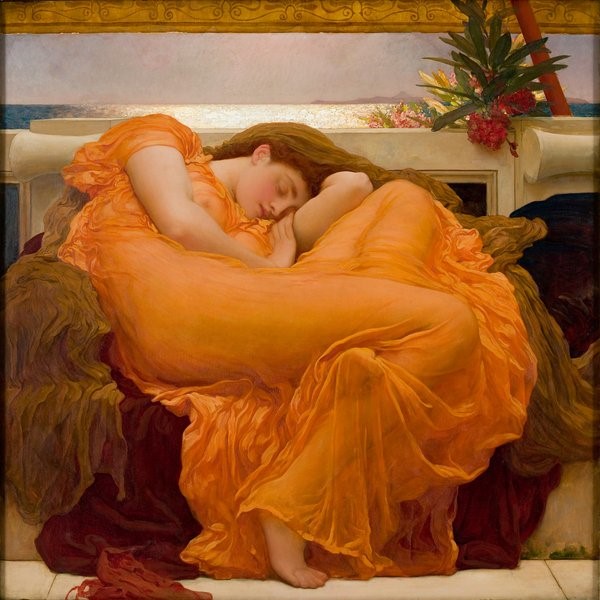
The Strange Story of One of the World’s Most Famous Paintings

A catchy piece about a famous image. Paintings in this high Victorian style were in vogue at the time of the Royal Academy show in 1895 where this painting first appeared. However, popular tastes moved on and it ended up in a 1960’s London antique shop. Critical rehabilitation has since occurred. Most recently, it has been made famous by Hollywood.